


- 14 Mar 2002
- 21,050
- 18,903
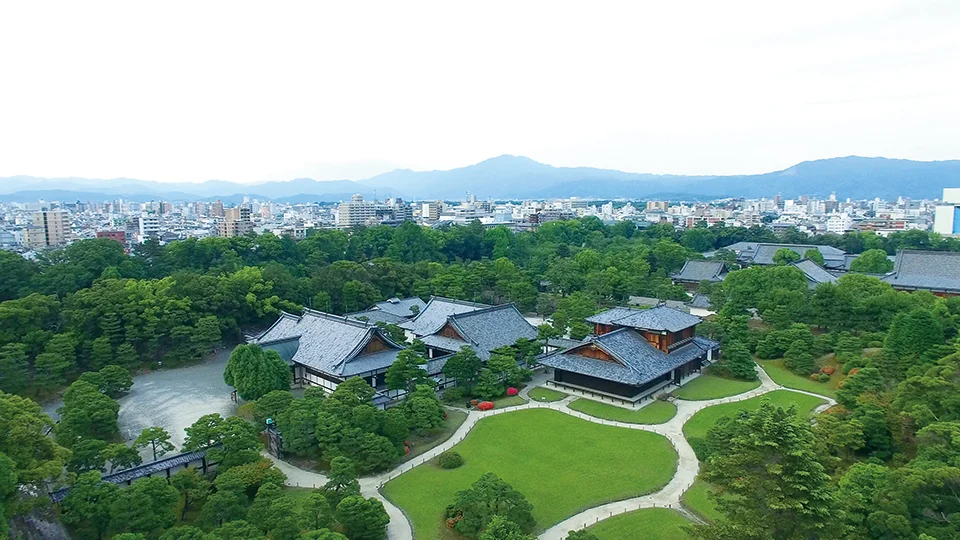
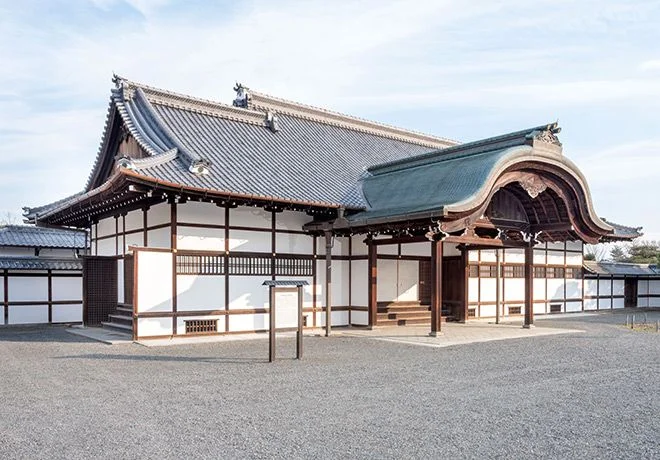
Nijō-jō Castle, a UNESCO World Heritage site in Kyōto , is reopening one of its main buildings, the Honmaru-goten Palace, to the public on 1 September. This comes after a closure of 17 years due to concerns about its earthquake resilience following damage from the 1995 Great Hanshin Earthquake. The city invested 1.56 billion JPY (USD9.89 million) since 2017 to reinforce the structure and restore its paintings, completing the renovation work in March this year. Notably, this will be the first time the palace has been open year-round; previously, it was accessible only twice a year. The Honmaru-Goten, originally built in 1626, was reconstructed in 1847 within the nearby Kyōto Imperial Palace before being relocated to its current site in 1894. Visitors can admire original Edo Period paintings by the Kano school and other renowned artists.
Ticket sales will start online on 2 August:
The interior of the palace features original Edo Period (1603-1867) paintings by the Kano school and other renowned artists. Visitors to the palace will be required to make advance reservations and pay a separate fee of 1,000 yen in addition to the regular castle entrance admission of 800 yen.
Ticket sales will start online on 2 August:
World Heritage Site Former Imperial Villa Nijo-jo Castle (Nijo-jo)
Former Imperial Villa Nijo-jo Castle has witnessed the changes of Japan, including the prosperity and decline of the Tokugawa Family.
nijo-jocastle.city.kyoto.lg.jp


