


- 14 Mar 2002
- 21,050
- 18,904
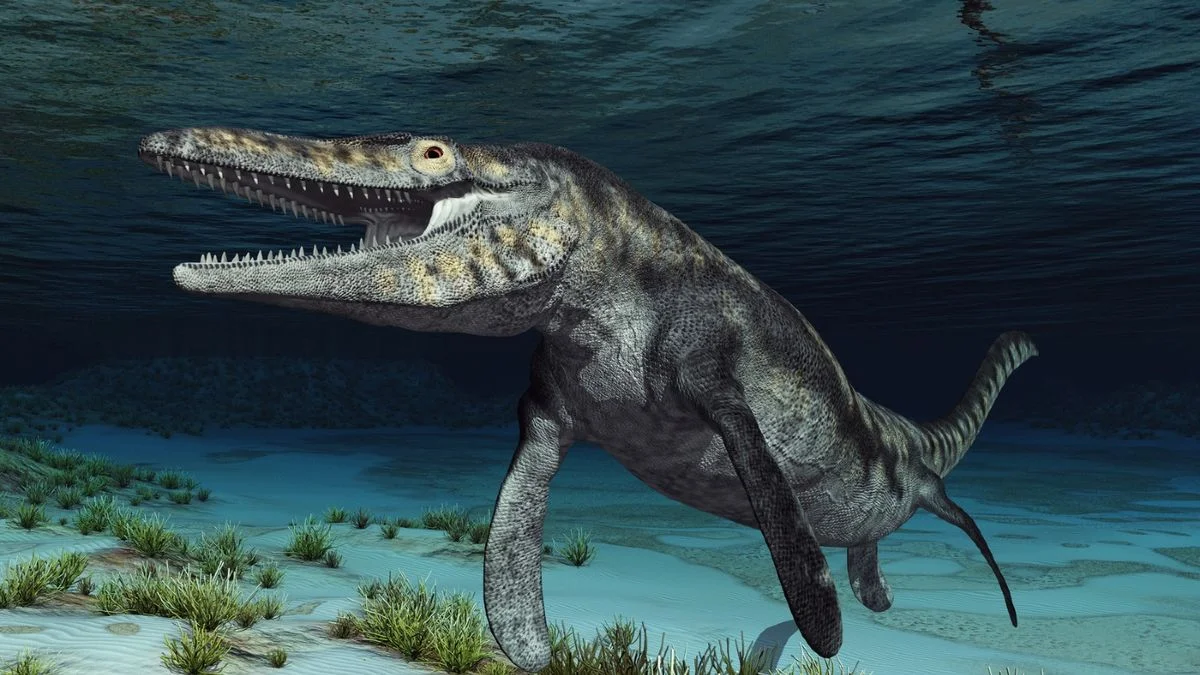
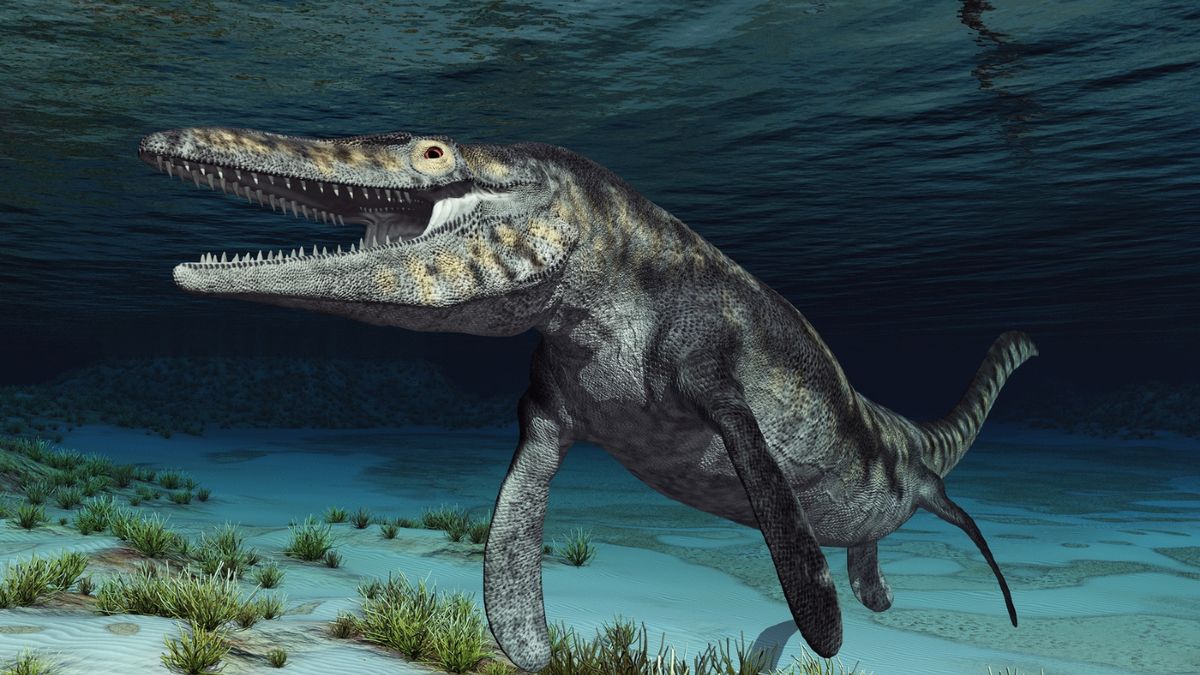
Scientists in Japan have unearthed the near-complete remains of a never-before-seen species of mosasaur — a group of air-breathing aquatic reptiles that were apex marine predators during the Cretaceous period (145 million to 66 million years ago). The prehistoric sea monster of great-white-shark size named "blue dragon" has an unusual body plan that sets it apart from its extinct relatives and is unlike any living creature. The exceptional fossils, around 72 million years old, were discovered along the Aridagawa River in Wakayama Prefecture.
 www.livescience.com
The fossils belong to a never-before-seen species of mosasaur — a group of air-breathing aquatic reptiles that were apex marine predators during the Cretaceous period (145 million to 66 million years ago). Researchers wrote in a statement that the "astounding" remains are the most complete mosasaur fossils ever uncovered in Japan and the northwest Pacific. In a new study published on 11 December in the Journal of Systematic Palaeontology, researchers named the new mosasaur Megapterygius wakayamaensis. The new genus Megapterygius translates to "large-winged" after the creature's unusually large rear flippers and the species name wakayamaensis recognizes the prefecture where it was found. The team nicknamed the creature the Wakayama Soryu — a soryu- a blue-colored aquatic dragon from Japanese mythology.
72 million-year-old 'blue dragon' unearthed in Japan is unlike anything we've ever seen, experts say
The near-complete remains of a never-before-seen mosasaur that dominated the ancient Pacific Ocean have been unearthed in Japan. The great white shark-size creature is unlike any other aquatic animal, dead or alive.
www.livescience.com


