Culture Public baths (sento) vanishing from public life

thomas

Unswerving cyclist
Admin
Joined
14 Mar 2002
Messages
21,050
Reaction score
18,904
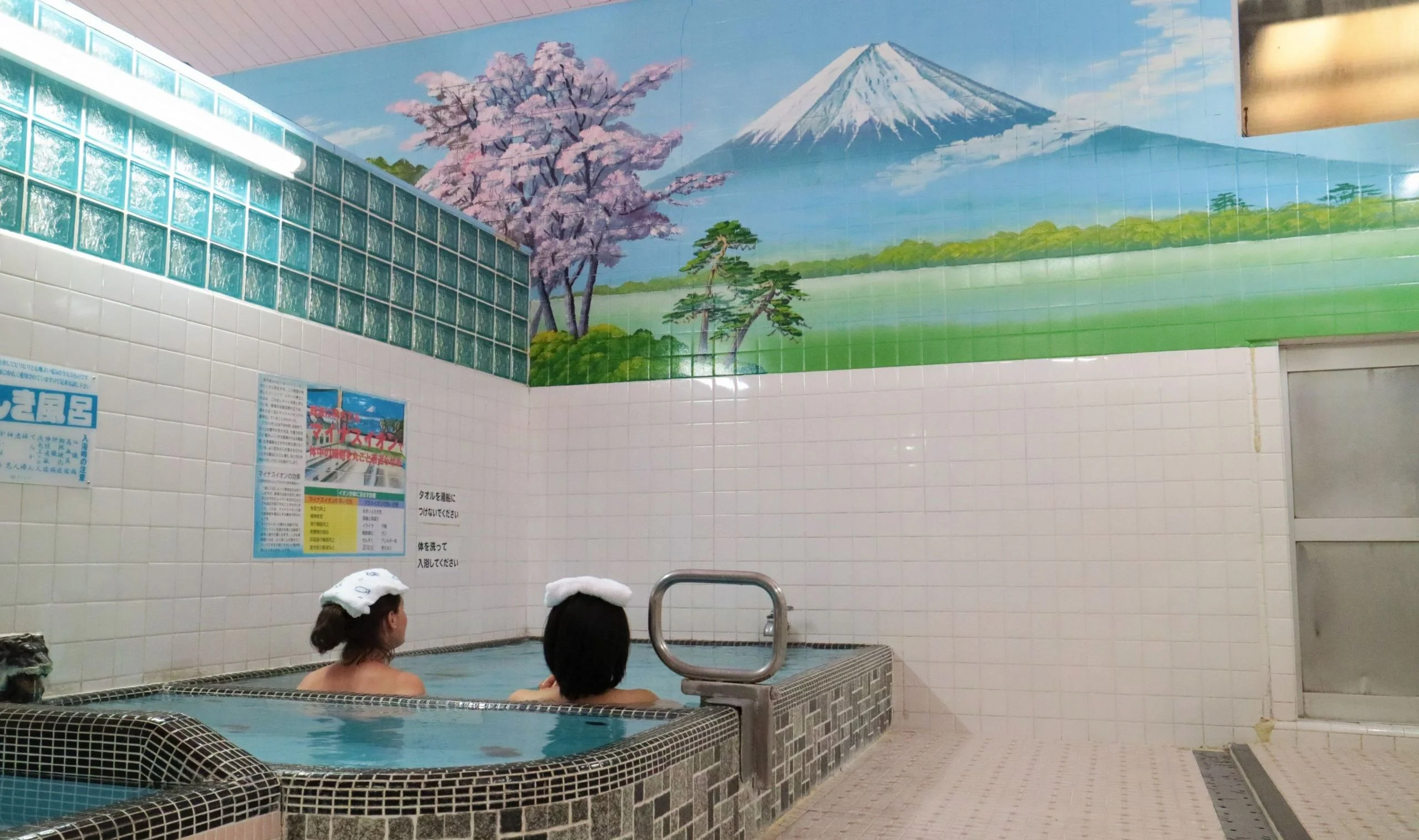
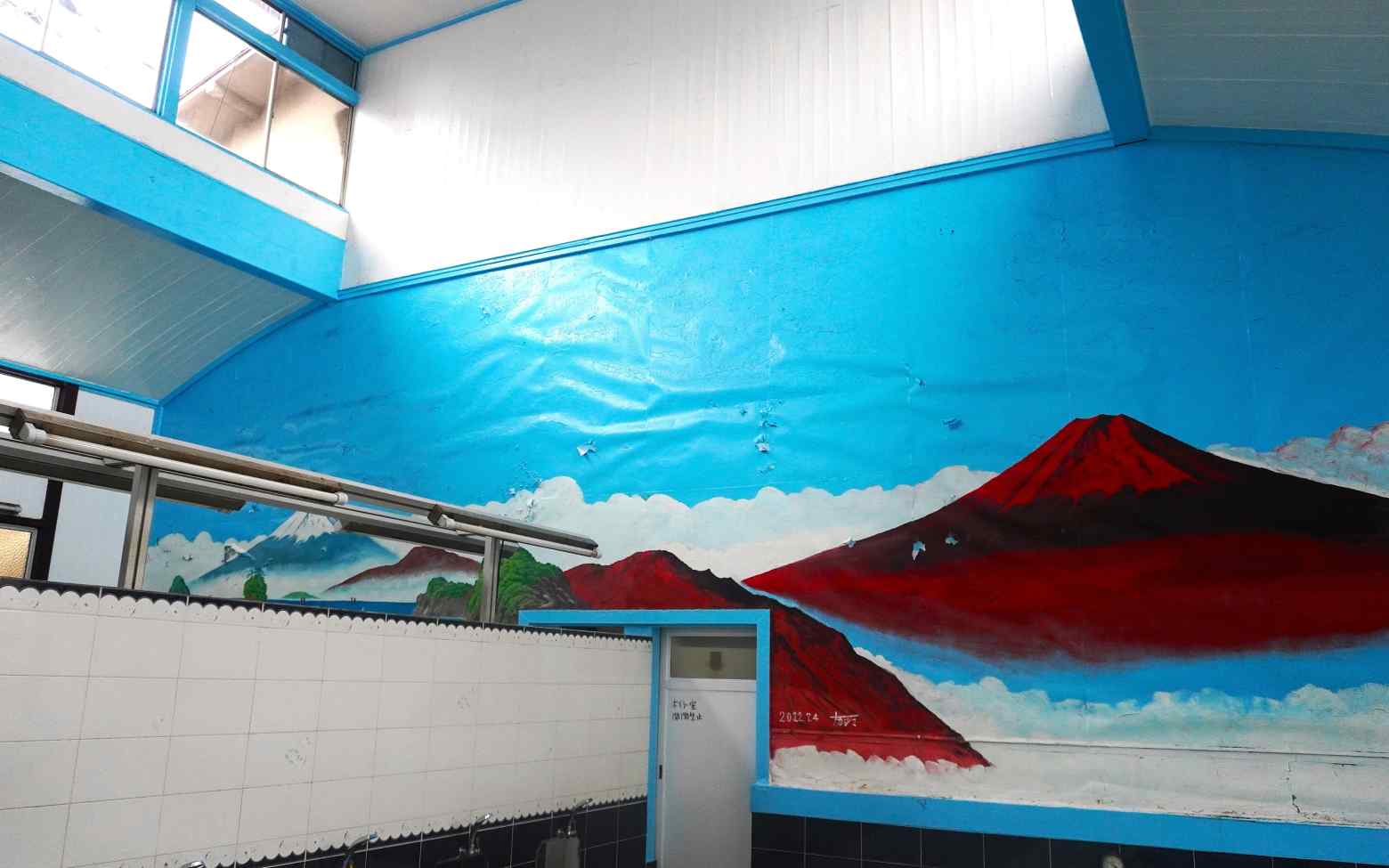
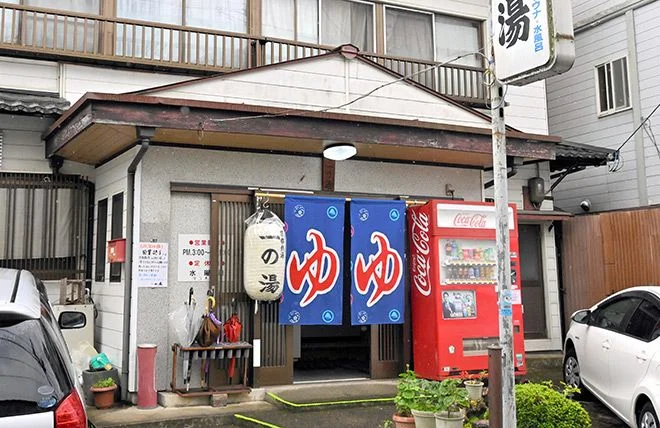
Last April, Metropolis Japan reported on a sento revival among Japan's youth, but sadly, public baths (銭湯) continue to fade from public life all over Japan. In Tokyo, bathhouses swiftly disappear as the facilities grow older alongside their owners. According to the Tokyo Metropolitan government, the number of public baths in the capital has almost halved in the past 15 years, with 462 operating as of December 2022. The figure has dropped by more than 80 per cent since 1968, when sento were much more popular and nearly 60 per cent of households lacked baths.

64e4bfa7241ff80229650ab806f6b454.jpg

Photo credit: Asahi Shinbun


There is now fewer than one public bathhouse per 10,000 people in every municipality in Tokyo, except Taito Ward. The number of annual visitors to public bathhouses has fallen from 33.81 million in 2008 to 20.02 million in 2022. In contrast, the average number of daily visitors to a bathhouse has risen by 16 percent to 144 over the same period, mainly because there are far fewer facilities. Some sento featuring saunas are drawing more customers as the amenity has grown popular in recent years. The operators of the 464 bathhouses that closed in the last 15 years listed their reasons for shutting down. The most common reason, cited by 84 operators, was aging facilities, while 69 sento owners said they were too old to carry on.


FBpc1Kp8-scaled-e1678767887260.jpeg

Photo credit: Stephanie Crohin via Metropolis
 
Not directly connected to this, but an anthropologist friend once described a strategy used by investors/real estate people, if they wanted people to move/sell so they could buy up a neighborhood.

This was to buy and then close the local sento.
 
Considering the quick building of neighborhoods after the war, sento made up for the lack of individual bathing facilities, and kept the costs down. Nowadays, pretty much every household has its own bathing facilities, so the need for sento is naturally in decline. I wonder if there are any statistics about the efficient use of water of shared bathing facilities versus private baths in homes. I'll bet the latter is more resource-intensive.

Having visited several sento around Japan, it's a shame to see them disappearing. I think the only path forward for them is to position themselves more like mini local onsen, where it's less of a necessity and more of a luxury and an oasis to relax with family and friends. Or combine them with a minshuku or hostel and support travelers, in particular people walking or biking around Japan.
 
Considering the quick building of neighborhoods after the war, sento made up for the lack of individual bathing facilities, and kept the costs down. Nowadays, pretty much every household has its own bathing facilities, so the need for sento is naturally in decline. I wonder if there are any statistics about the efficient use of water of shared bathing facilities versus private baths in homes. I'll bet the latter is more resource-intensive.

Having visited several sento around Japan, it's a shame to see them disappearing. I think the only path forward for them is to position themselves more like mini local onsen, where it's less of a necessity and more of a luxury and an oasis to relax with family and friends. Or combine them with a minshuku or hostel and support travelers, in particular people walking or biking around Japan.
They can "rebrand" as a spa and charge ludicrous prices. Throw in a masseuse, nail professional, facial specialist, etc.
 
As Tokyo's traditional sento (public bathhouses) continue to close at an accelerating pace, the metropolitan government is introducing new measures to support ownership transitions and facility renovations. Many sento operators, facing ageing infrastructure, rising maintenance costs, and a dwindling customer base, opt to close rather than hand over the business. Consequently, the number of public bathhouses in the capital has dwindled to just one-sixth of its peak.

Tokyo will implement a programme to facilitate ownership transfers in fiscal 2025. The initiative will help current owners connect with consultants to find suitable successors and provide subsidies to offset rental and renovation expenses typically shouldered by new proprietors. A 2023 amendment to bathhouse regulations has already eased the transition process by allowing successors to take over operations without reapplying for a license. A Tokyo government representative said the new initiatives are intended to "halt the wave of closures." Despite Tokyo's high population density, sentos are struggling to remain viable. Government figures show that public bathhouses have fallen sharply from 2,687 in 1968 to just 430 as of 2024.

Udagawa-yu in Tokyo's Setagawa ward (photo credit: Shinohara Kosuke)

Udagawa-yu in Tokyo's Setagawa ward (photo credit: Shinohara Kosuke)


While many owners have become too old to keep their businesses, their facilities have also aged. Updating key systems like boilers and water pipes requires significant investment, leading many to shut down rather than pay the high cost. One such case is Udagawa-yu, a sento in Tokyo's Setagaya ward, which will shut down if its boiler, worth over 10 million yen ($69,600), breaks down. Even before that, fixing leaky pipes can cost 2 million yen per job. "There's always something that needs repair each year," said Mikiko Yamamura, who oversees daily operations and machinery upkeep at Udagawa-yu. "It's hard to make ends meet with the 550 yen admission fee."

Paywall alert:
 
Back
Top Bottom