- 6 Mar 2003
- 9,317
- 9,444
Two questions.
1. How do you normally translate 上下線? I usually use something awkward like both directions or both sides of the road. Or if I know the road, I'll say eastbound/westbound or southbound/northbound.
2. How do you determine the actual directions? I know usually 上 is towards a city and 下 is away. But what if you are in inaka somewhere with no clear big city. Is it defined by where the road itself started? Local custom?
 bestcarweb.jp
一方、名神の天王山・梶原トンネルの場合は、東名や中央よりもさらに交通量が多く、ほぼ毎日渋滞が発生していたため、北側に新設された上り線も4車線とされた。ここはほぼ直線部で、平野部に突き出た天王山(羽柴秀吉と明智光秀の決戦が行われた地)をトンネルで貫いている形なので、上下線がほぼ並行している。
bestcarweb.jp
一方、名神の天王山・梶原トンネルの場合は、東名や中央よりもさらに交通量が多く、ほぼ毎日渋滞が発生していたため、北側に新設された上り線も4車線とされた。ここはほぼ直線部で、平野部に突き出た天王山(羽柴秀吉と明智光秀の決戦が行われた地)をトンネルで貫いている形なので、上下線がほぼ並行している。
4車線のトンネルは、直径が大きくなりすぎて不経済なため、新たなトンネル部も2車線+2車線に分離して建設された。その結果、上下線ともに左ルートと右ルートに分かれることになったのである。
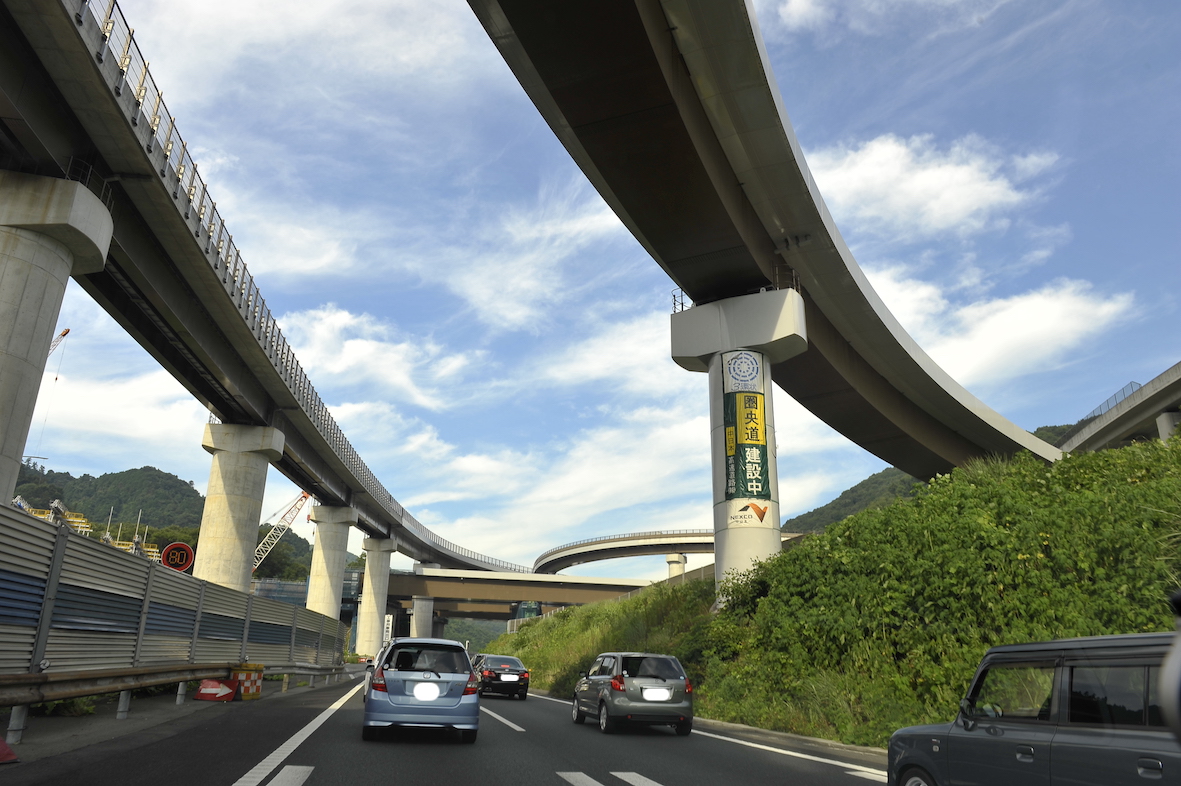
この天王山・梶原トンネル付近は、合計8車線が並行して走り、上下線がそれぞれ左右に分離するので、日本の高速道路の中では最も壮観だ。こちらの完成は1998年。世紀を挟んで、これら4区間が次々と完成したが、若い層はそれ以前を知らないため、「なぜ左右に分かれてるの?」と思うのも当然だろう。
1. How do you normally translate 上下線? I usually use something awkward like both directions or both sides of the road. Or if I know the road, I'll say eastbound/westbound or southbound/northbound.
2. How do you determine the actual directions? I know usually 上 is towards a city and 下 is away. But what if you are in inaka somewhere with no clear big city. Is it defined by where the road itself started? Local custom?
どちらが早い? 何が違う? なぜ高速道路に右ルートと左ルートがあるのか - 自動車情報誌「ベストカー」
ロングドライブに最適な季節到来! 高速道路を走る前に知っておいて損はない左右ルートの秘密!? → 【どっちが早い? 違いは? なぜ高速道路に右ルートと左ルートがあるのか】
4車線のトンネルは、直径が大きくなりすぎて不経済なため、新たなトンネル部も2車線+2車線に分離して建設された。その結果、上下線ともに左ルートと右ルートに分かれることになったのである。
この天王山・梶原トンネル付近は、合計8車線が並行して走り、上下線がそれぞれ左右に分離するので、日本の高速道路の中では最も壮観だ。こちらの完成は1998年。世紀を挟んで、これら4区間が次々と完成したが、若い層はそれ以前を知らないため、「なぜ左右に分かれてるの?」と思うのも当然だろう。