Well, unfortunately none of this is giving Jhopesstrawberry a view inside the mind of the average Japanese person. I think it may be safe to say that the views in Japan are as varied as they are in the US - and the issue is probably so sensitive that you won't find our Japanese contributors to this site willing to weigh in on it in public.
Regarding the leaflets: there were two types. The "LeMay Leaflets" were dropped on major cities (including, apparently, Hiroshima) before August 6th. The second type of leaflets were dropped after the atomic bombing.
In August 1945, warning leaflets were dropped on several Japanese cities.

www.atomicheritage.org
Regarding the "chance for surrender", of course Japan could have surrendered at any point in the war. Japan wanted to hang on to territories that they had held from before the war (Manchuria, Korea, and Taiwan, I think - anyway, its all information available on the internet) and they wanted to ensure the safety and dignity of the emperor. The US wasn't having it. The US said basically "surrender first, then we'll talk about the details". This is the famous (or infamous) "Unconditional Surrender" that the US was insisting on. Germany had surrendered unconditionally in May, and the US wasn't interested in anything less from Japan. At the end of July in 1945, the US said that Japan should surrender unconditionally, or else the entire country would be bombed flat. This is the gist of the
Potsdam Declaration.






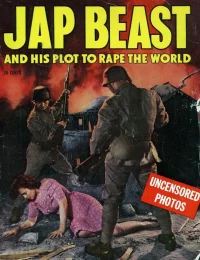
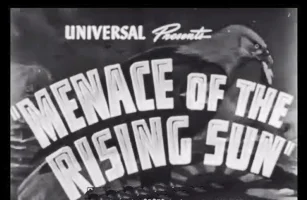
 but that was the way to make money and send more people to the war I guess.


