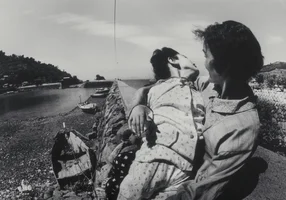
Sixty years after the Niigata Minamata Disease first made headlines, the ghost of mercury still casts a long shadow. Not just in rivers. Not just in bodies. But in memory, justice, and what society has chosen to waste—or allow to be wasted.
In a Tokyo symposium held late this May by the Tokyo Association to Indict Minamata Disease, film served as both archive and alarm. The event screened Fighting Pollution: Niigata Minamata Disease (1968), followed by recent footage of what survivors have dubbed the "mic-off incident"—a government meeting where advocates seeking broader compensation were abruptly silenced. When a mic shuts off, it's more than a technical glitch. It's symbolic. Takeko Kato of Hope, Future, Minamata, declared that moment proof: Minamata is not over. "Silence," she said, "can be as toxic as mercury in the air."
Understanding the Niigata case means hearing about several layers of waste:
Artists and filmmakers have long carried the torch. Noriaki Tsuchimoto's early work, including Minamata: The Victims and Their World, set a standard: documentary as ethics, not spectacle. Kazuo Hara's Minamata Mandala (2020) built on that: decades of listening, filming, piecing together stories not told in mainstream discourse. In recent years, media outlets like Mainichi have revisited these distortions—journalistic check-ins with survivors, investigations into how compensation systems fail, and coverage of activism that both reveres the past and demands relevance in the present.
Survivors' groups are pushing for a reassessment. They want criteria that reflect real symptoms, updated scientific understanding, and compassion for what old rules missed. The upcoming environmental ministerial meeting in July looms as a potential turning point—or another moment when voices will be cut off. Meanwhile, filmmaker Hara—a key chronicler—has begun work on a sequel project, aiming for a 2027 release. The goal is about preserving legacy and opening space for those still waiting for answers.
As the country marks six decades since Niigata's outbreak was first officially acknowledged, "waste" is no longer just a descriptor. It's a warning of what happens when communities are ignored, when scientific and governmental systems lag, when awareness falters, and when justice is deferred. For those who lived Niigata Minamata, the work of remembrance is urgent. The fight against wasted voices, wasted lives, wasted time is not done.
Rivers Still Echo
In a Tokyo symposium held late this May by the Tokyo Association to Indict Minamata Disease, film served as both archive and alarm. The event screened Fighting Pollution: Niigata Minamata Disease (1968), followed by recent footage of what survivors have dubbed the "mic-off incident"—a government meeting where advocates seeking broader compensation were abruptly silenced. When a mic shuts off, it's more than a technical glitch. It's symbolic. Takeko Kato of Hope, Future, Minamata, declared that moment proof: Minamata is not over. "Silence," she said, "can be as toxic as mercury in the air."
Waste in Multiple Forms
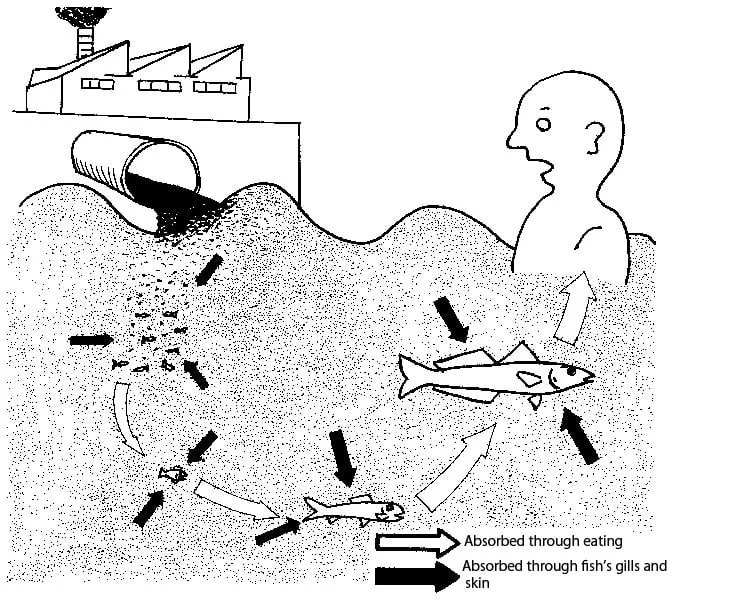
Understanding the Niigata case means hearing about several layers of waste:
- Industrial waste: Mercury discharged into water—pollution that entered the food chain and disrupted lives.
- Human potential wasted: Survivors whose health, education, and livelihoods were derailed.
- Political and scientific waste: Criteria and compensation schemes that many argue remain outdated and restrictive. Guidelines from the 1970s still predominate, leaving numerous survivors unrecognized.
- Public attention wasted: Moments when awareness, sympathy, or pressure could have pushed change—and didn't.
Documenting Refusal to Forget
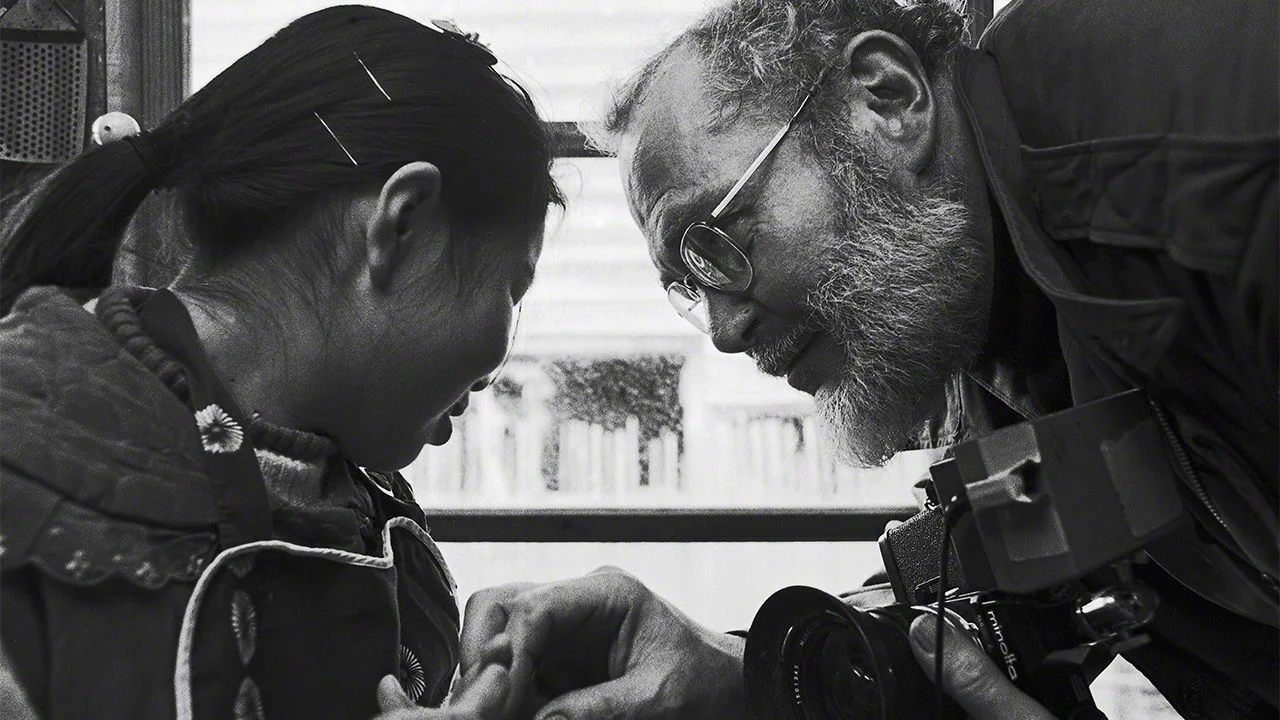
Artists and filmmakers have long carried the torch. Noriaki Tsuchimoto's early work, including Minamata: The Victims and Their World, set a standard: documentary as ethics, not spectacle. Kazuo Hara's Minamata Mandala (2020) built on that: decades of listening, filming, piecing together stories not told in mainstream discourse. In recent years, media outlets like Mainichi have revisited these distortions—journalistic check-ins with survivors, investigations into how compensation systems fail, and coverage of activism that both reveres the past and demands relevance in the present.
What "Overdue" Looks Like
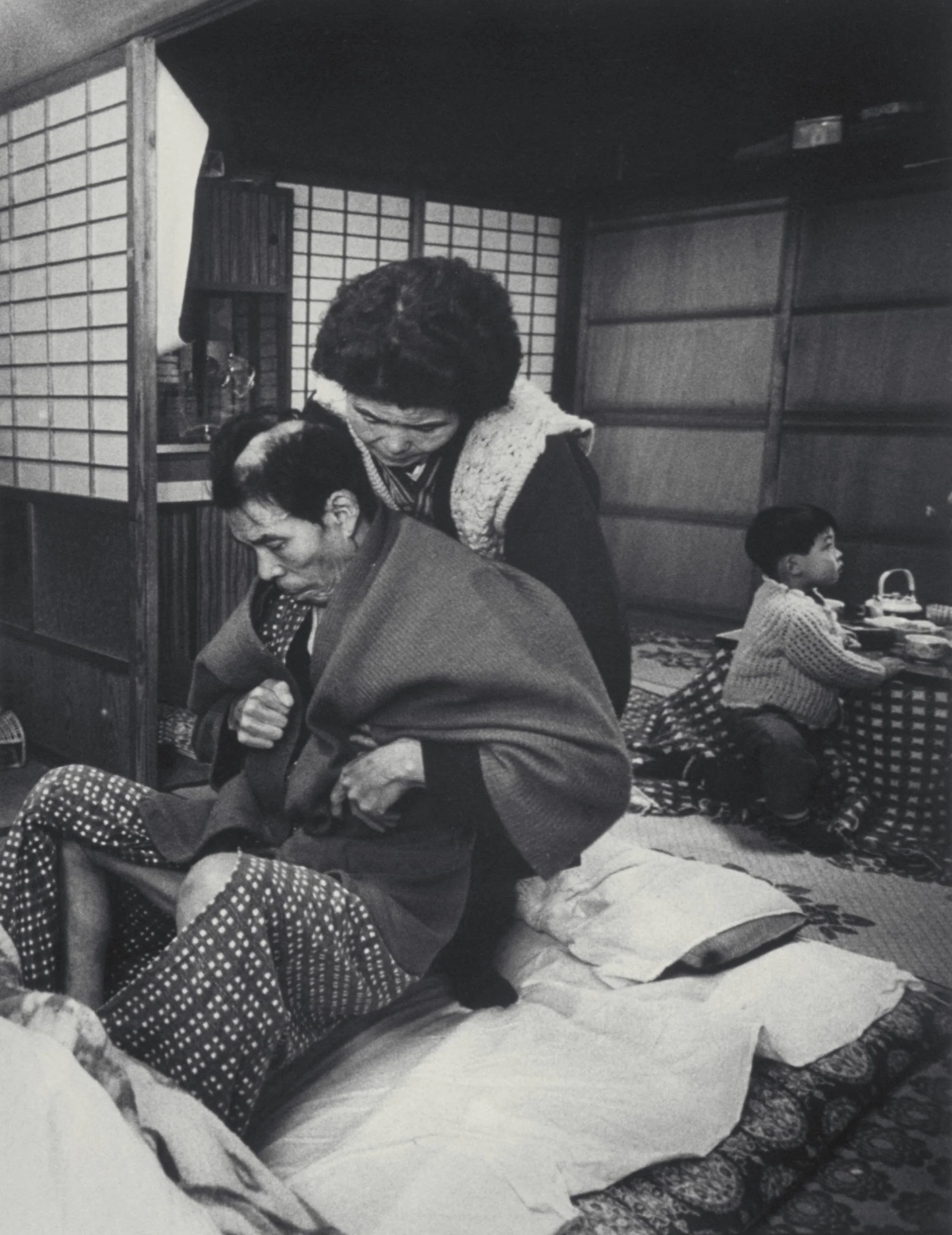
Survivors' groups are pushing for a reassessment. They want criteria that reflect real symptoms, updated scientific understanding, and compassion for what old rules missed. The upcoming environmental ministerial meeting in July looms as a potential turning point—or another moment when voices will be cut off. Meanwhile, filmmaker Hara—a key chronicler—has begun work on a sequel project, aiming for a 2027 release. The goal is about preserving legacy and opening space for those still waiting for answers.
Waste That Must Not Be Repeated
As the country marks six decades since Niigata's outbreak was first officially acknowledged, "waste" is no longer just a descriptor. It's a warning of what happens when communities are ignored, when scientific and governmental systems lag, when awareness falters, and when justice is deferred. For those who lived Niigata Minamata, the work of remembrance is urgent. The fight against wasted voices, wasted lives, wasted time is not done.