


- 14 Mar 2002
- 21,056
- 18,911
The magnitude-7 earthquake that struck Kumamoto Prefecture on 28 July disrupted operations at semiconductor-related facilities across one of Japan's most important chipmaking hubs, raising concerns about delays to equipment shipments and possible knock-on effects for the global industry. Taiwan Semiconductor Manufacturing Co. (TSMC) and Sony Group temporarily evacuated staff from factories and production sites after the quake. Tokyo Electron also halted operations at two manufacturing facilities while safety inspections were carried out. Satoshi Oyama, president of semiconductor consultancy Grossberg, said many chip companies had operations in Kumamoto, but relatively few made products that could only be manufactured there.
One exception is Renesas Electronics, which produces microcontrollers and other products in the prefecture, meaning some disruption is possible. Even so, Oyama said his biggest concern was Tokyo Electron's semiconductor equipment plant. The factory makes coaters and developers, key machines used in semiconductor production. According to Oyama, Tokyo Electron controls more than 90% of the global market for these systems, with its share approaching 100% for equipment used in the most advanced chip manufacturing.
If shipments of coaters and developers from Kumamoto are disrupted for an extended period, the effects could spread well beyond Japan and have a significant impact on the global semiconductor industry.
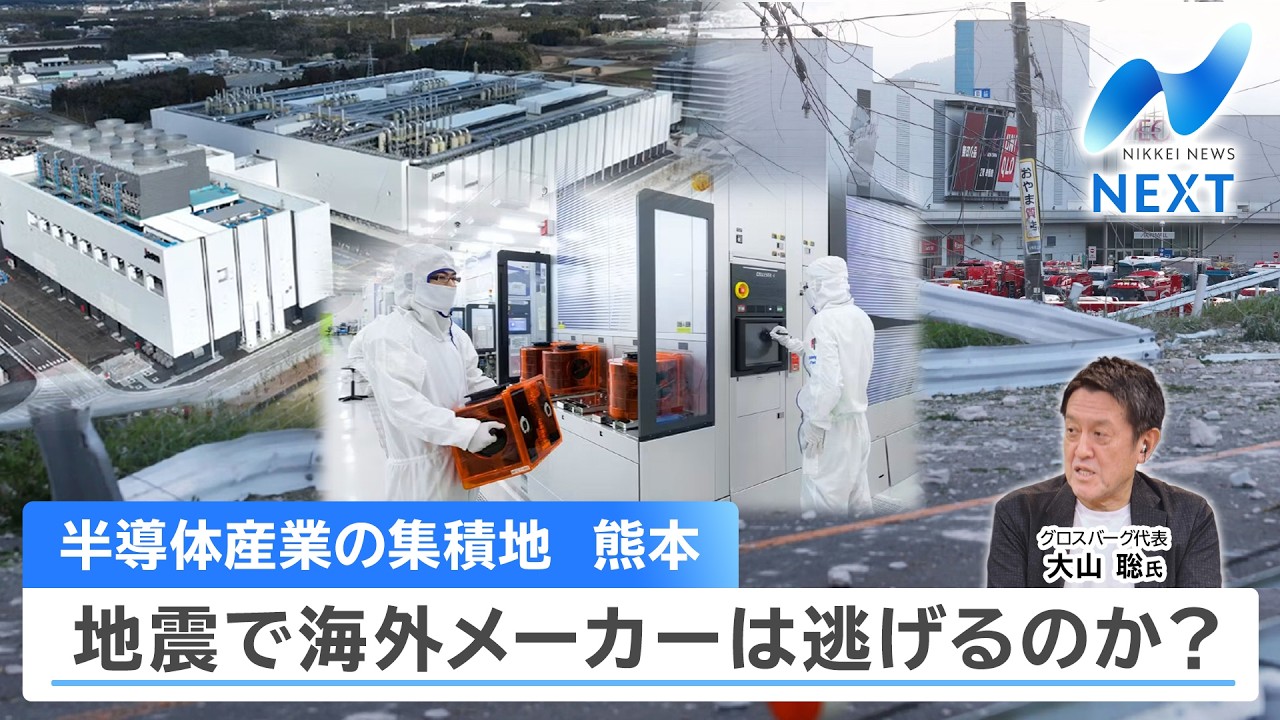
One exception is Renesas Electronics, which produces microcontrollers and other products in the prefecture, meaning some disruption is possible. Even so, Oyama said his biggest concern was Tokyo Electron's semiconductor equipment plant. The factory makes coaters and developers, key machines used in semiconductor production. According to Oyama, Tokyo Electron controls more than 90% of the global market for these systems, with its share approaching 100% for equipment used in the most advanced chip manufacturing.
If shipments of coaters and developers from Kumamoto are disrupted for an extended period, the effects could spread well beyond Japan and have a significant impact on the global semiconductor industry.
Japan also has a broad network of semiconductor manufacturers, materials suppliers and equipment makers. Although earthquakes are frequent, companies have developed extensive countermeasures, while labor costs remain relatively low compared with the United States. Taken together, those factors are likely to sustain overseas manufacturers' interest in expanding production in Japan rather than drive them away, Oyama said. The earthquake is nevertheless expected to reinforce the importance of business continuity planning, including measures to protect supply chains and restore operations quickly after natural disasters.
Will Kumamoto Quake Drive Overseas Chipmakers Away?
The magnitude 7-level earthquake that struck Kumamoto Prefecture on July 28 has disrupted operations at semiconductor-related facilities across one of Japan
newsonjapan.com


