


- 14 Mar 2002
- 21,054
- 18,910
A brilliant example of residents saving a crane biotope from destruction. 
Plans emerged last year to build a large solar power facility on hills visible from the Otowabashi bridge in Tsurui, Hokkaido , a well-known site for observing red-crowned cranes in winter. The proposed location would have appeared in the background of the cranes' habitat, altering a view that attracts photographers from Japan and overseas.
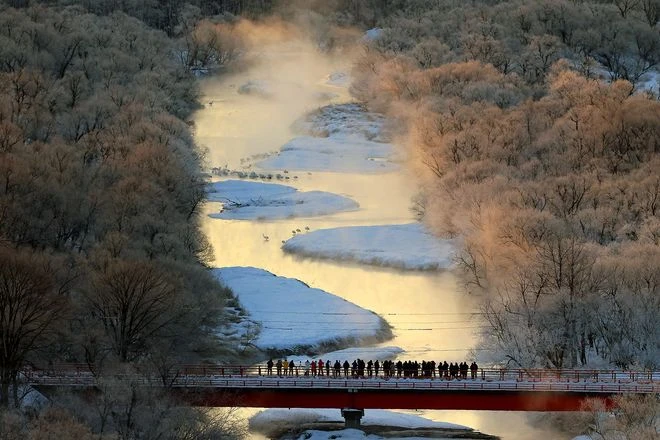
Otowabashi bridge in Tsurui, Hokkaido (photo credit: Kato Takeo)
Tsurui village moved to secure the land. Officials raised public donations and, together with the Association of National Trusts in Japan, purchased about 7.5 hectares of privately owned property designated for the project. The village assembly approved a budget that included the acquisition cost. The purchase halted the planned construction. Local tourism officials said the decision was intended to preserve the landscape that supports the area's visitor appeal.
More good news on the Japanese Crane:
Plans emerged last year to build a large solar power facility on hills visible from the Otowabashi bridge in Tsurui, Hokkaido , a well-known site for observing red-crowned cranes in winter. The proposed location would have appeared in the background of the cranes' habitat, altering a view that attracts photographers from Japan and overseas.
Otowabashi bridge in Tsurui, Hokkaido (photo credit: Kato Takeo)
Tsurui village moved to secure the land. Officials raised public donations and, together with the Association of National Trusts in Japan, purchased about 7.5 hectares of privately owned property designated for the project. The village assembly approved a budget that included the acquisition cost. The purchase halted the planned construction. Local tourism officials said the decision was intended to preserve the landscape that supports the area's visitor appeal.
Thanks to an abundant supply of spring water, the Setsurigawa river remains unfrozen even in the middle of winter when the average daily low dips below minus 10 degrees. Steam rising from the river surface is cooled by contact with cold air to form fog, creating a fantastical landscape featuring red-crowned cranes that use the place as their refuge. The scenery, often featured in overseas media, is widely known among bird enthusiasts and photographers around the world. The area became so popular that the pedestrian bridge was built in 1999 to give photographers a safe spot away from the roadway. Wada, who is also involved in a forestry business, said it was important to protect the area because it is covered with grass and larch trees, and deforestation could have reduced the amount of water flowing into the Setsurigawa river. After learning about another deforestation project covering 16 hectares in a forest that serves as a water source for the Kushiro wetlands, Wada purchased the plot at his own expense to keep the area as a forest reserve.
More good news on the Japanese Crane:

