


- 14 Mar 2002
- 21,050
- 18,903
In this post, we mentioned the small ironware maker from Iwate, Ohtani's home prefecture.
Ohtani's bump proved to be a veritable windfall for Oitomi:
A traditional handicraft from Iwate Prefecture, the home region of baseball star Shohei Ohtani, is experiencing a surge in popularity thanks to the "Ohtani effect." Nambu tekki, or Nambu ironware, is renowned for its distinctive nubbly kettles, which tea ceremony enthusiasts have cherished for centuries.
When Ohtani received a Nambu kettle in Dodgers blue as a gift and shared it on his Instagram Stories, it sparked significant interest. Online sleuths traced the kettle to Oitomi, a workshop in Oshu, Iwate Prefecture. Since then, the workshop has received over 3,000 orders for the 1-litre Miyabi Tetsubin kettle, priced at approximately ¥30,000. The current waitlist extends beyond a year.
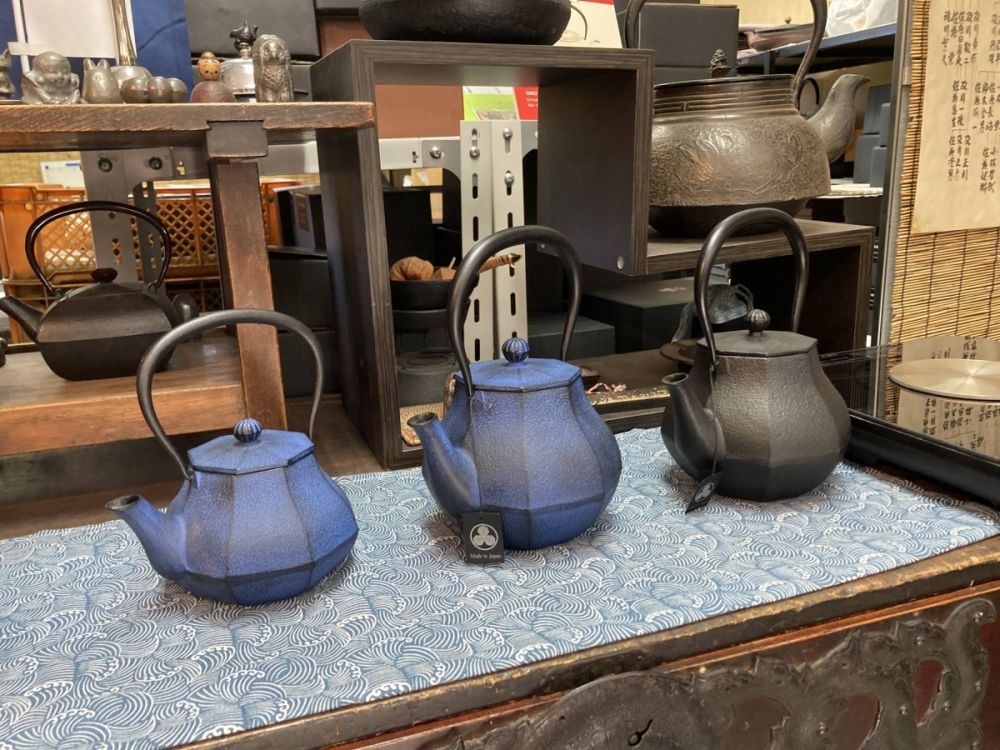
Photo credit:Jessica Kozuka
Kaito Kikuchi, the ninth-generation owner of Oitomi, attributes the increased popularity to Ohtani's endorsement. Nambu kettles have long been admired for their aesthetic appeal, durability, and potential health benefits. The lacquer coating on the exterior prevents rust, while the untreated interior softens water and infuses it with iron, which is believed to help prevent anaemia. The thick iron construction ensures excellent heat retention and longevity.

 www.japantimes.co.jp
Ohtani's bump proved to be a veritable windfall for Oitomi:
A traditional handicraft from Iwate Prefecture, the home region of baseball star Shohei Ohtani, is experiencing a surge in popularity thanks to the "Ohtani effect." Nambu tekki, or Nambu ironware, is renowned for its distinctive nubbly kettles, which tea ceremony enthusiasts have cherished for centuries.
When Ohtani received a Nambu kettle in Dodgers blue as a gift and shared it on his Instagram Stories, it sparked significant interest. Online sleuths traced the kettle to Oitomi, a workshop in Oshu, Iwate Prefecture. Since then, the workshop has received over 3,000 orders for the 1-litre Miyabi Tetsubin kettle, priced at approximately ¥30,000. The current waitlist extends beyond a year.
Photo credit:Jessica Kozuka
Kaito Kikuchi, the ninth-generation owner of Oitomi, attributes the increased popularity to Ohtani's endorsement. Nambu kettles have long been admired for their aesthetic appeal, durability, and potential health benefits. The lacquer coating on the exterior prevents rust, while the untreated interior softens water and infuses it with iron, which is believed to help prevent anaemia. The thick iron construction ensures excellent heat retention and longevity.
However, like many traditional handicrafts in Japan, Nambu ironware has seen reduced domestic demand and difficulty attracting young artisans to a field that requires years or even decades of training while offering limited earning potential. Add to that competition from mass-produced and knockoff ironware and the situation can seem dire. [... The roots of ironware in Iwate stretch back to the 12th century, when leading samurai Fujiwara no Kiyohira invited artisans from Kyoto to cast bells, statues and altars for the Chuson Temple complex. These craftsmen built foundries on site using quality iron and river sand around Oshu and Morioka. Still, the signature tea kettles of the region wouldn't emerge until the 17th century when the ruling family again invited artisans from Kyoto to create tea ceremony implements. The kettles produced spread throughout Japan, becoming synonymous with the Nambu region. Against this backdrop, Oitomi was founded in 1848. Over the years, the workshop survived several major fires in conflagration-prone Oshu and damage from typhoons and earthquakes. It was nearly shuttered during World War II when the use of both iron and lacquer was restricted to the military, but Kikuchi's grandfather was selected as one of a handful of artisans given special dispensation to continue working to ensure the survival of the craft.
After Shohei Ohtani bump, Iwate ironware maker sees brighter future
Thanks to the Dodgers superstar, the waitlist for Oitomi’s Miyabi Tetsubin kettle now stretches to more than a year.

