


- 14 Mar 2002
- 21,056
- 18,911
According to an annual survey, the district around Yokohama Station continues to be the most desirable train station neighbourhood in the greater Tokyo area. For the seventh consecutive year, the Yokohama Station area in the capital of Kanagawa Prefecture secured the top position in the 2024 Greater Tokyo rankings. The survey, conducted by Recruit Co., a Tokyo-based provider of human resources and sales promotion services, highlights the district's appeal. However, its ability to maintain this status against rival neighbourhoods remains uncertain.
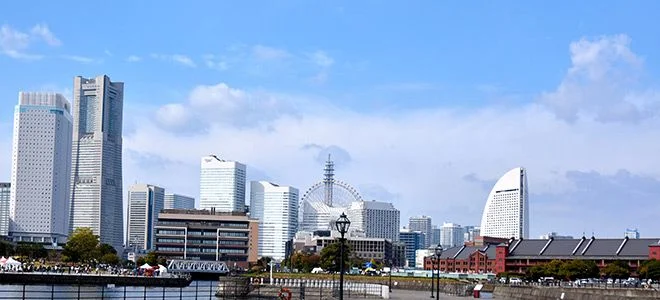
Yokohama's popularity as the most desirable place to live is partly attributed to the local government's approval of similar measures for families with small children. According to the Suumo editor-in-chief, Yokohama lags significantly behind Tokyo regarding childcare assistance. However, dual-income households with small children who are dissatisfied with the previous situation likely perceive improvements have been made.
Yokohama Station, located in Yokohama's Nishi Ward, scored 1,683 points in the latest survey, up 123 points from the year before. In particular, a significant surge in popularity came from households of a couple and their child(ren). "That's because of the recently closing gap with Tokyo in child care assistance measures, which came on top of the high marks that (the Yokohama Station area) has always received on the 'working' and 'entertainment, shopping and eating fronts,'" said Yoichi Ikemoto, editor-in-chief of the Suumo real estate information website, which analyzed the survey results. The Yokohama city government waived all fees for children's medical care, without any restrictions on household incomes, in August last year. The municipal government also plans to start providing school lunches to all junior high school students in fiscal 2026.
Yokohama's popularity as the most desirable place to live is partly attributed to the local government's approval of similar measures for families with small children. According to the Suumo editor-in-chief, Yokohama lags significantly behind Tokyo regarding childcare assistance. However, dual-income households with small children who are dissatisfied with the previous situation likely perceive improvements have been made.


